Spring sees ospreys returning to the park and deer descending from the mountains.
It is summer, and newborn animals and chicks must learn how to find food for themselves.
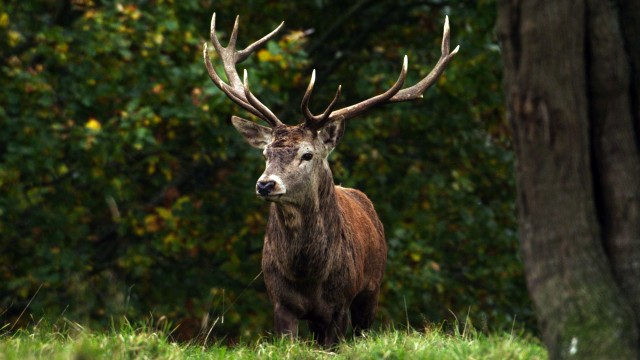
Autumn is when stags compete to breed and osprey chicks begin a 3000-mile migration.
The winter is mild and wet, which is good news for some but bad news for others.
It's spring, the season when the parks' animals must find food, a mate and raise a family.
High up in Malham Cove, two 40-day-old peregrines must learn how to fly.
Autumn is on hold as summer continues, with unexpectedly balmy conditions.
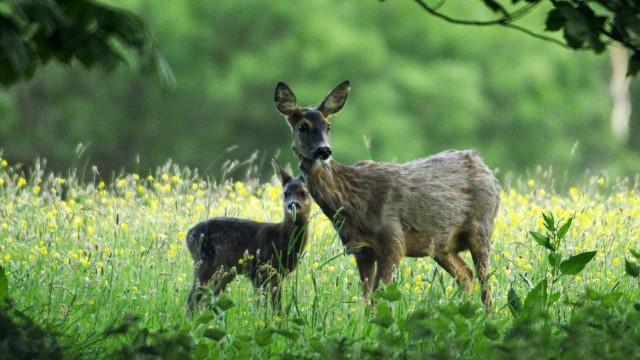
Winter is setting in, and the roe deer must fend off the cold
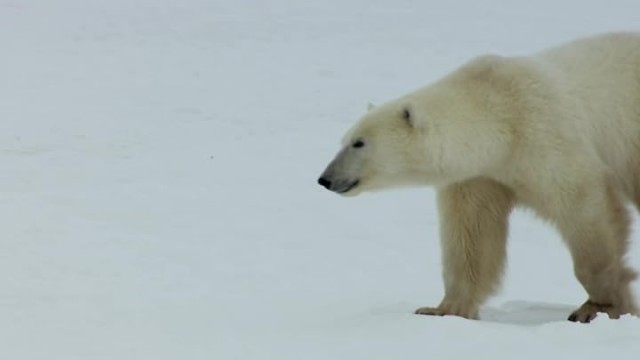
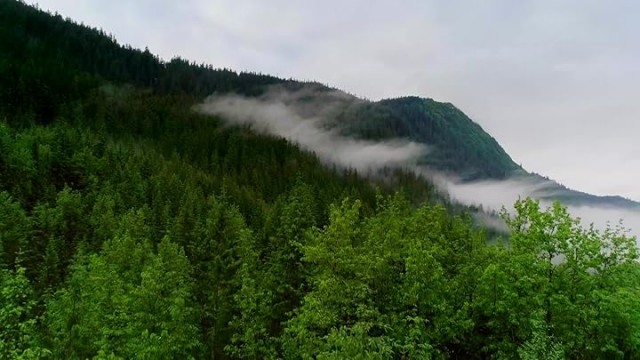
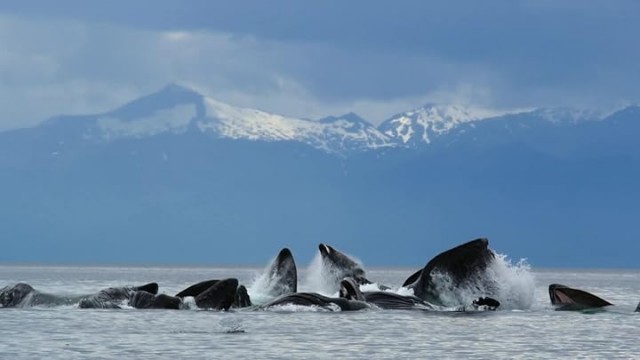
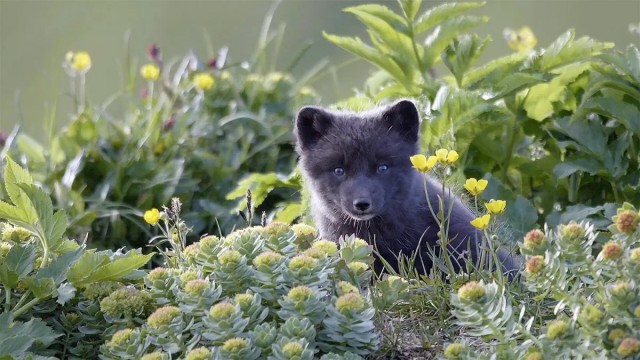
As temperatures hit minus 60 food becomes scarce, and animals such as foxes and hares shed their colourful coats to camouflage themselves in the snow. The end of winter heralds one of the world's greatest feeding frenzies as large ocean predators target the millions of fish who have found refuge in the Gulf of Alaska.
With the arrival of spring, days grow longer and temperatures rise. But spring in Alaska is short. Animals have two months to feed, and start a family, while avoiding predators. Spring is also the time that millions of birds return to Alaska.
Summer has arrived in Alaska. Free of ice, rivers and streams can flow again. This sets the scene for one of the world's greatest migrations, the Alaskan salmon run.
Young animals prepare for their first winter away from their parents, humpback whales return to Alaska's rich feeding grounds and salmon return to spawn in the rivers where they were hatched. But the returning salmon have to negotiate a path past hungry brown bears fattening themselves before they hibernate.
With days growing shorter and colder, Canadian wildlife is in a race against time, and any animal that fails to make the most of what autumn has to offer will perish.
Winter in Canada is both cruel and beautiful. In the grip of snow and ice, and animals are struggling. However, while some animals hunker down, others have babies to raise who need to adjust to their environment swiftly.
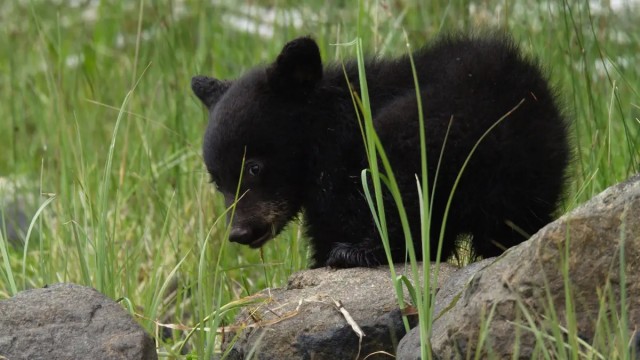
Spring is late this year, and when it finally arrives, the race is on to find a mate and start a family. Black bears and beavers in the west, wood frogs in the south and 20,000 gannets in the east all have one thing on their minds.
Summer is the season of plenty for most animals, but not polar bears. Unable to hunt seals until the sea freezes over again, they grow hungrier by the day. For other animals summer is when youngsters must learn how to survive.
Exploring the wilderness and wildlife of the Atlantic Ocean. Winter brings bitter storms, suffering and conflict, while most are battling to survive.
As winter draws to a close, the Atlantic springs back to life and hope returns. Fish that spent the winter out in the deeper water have returned. An eagle pair has set up home high above the perfect fishing spot.
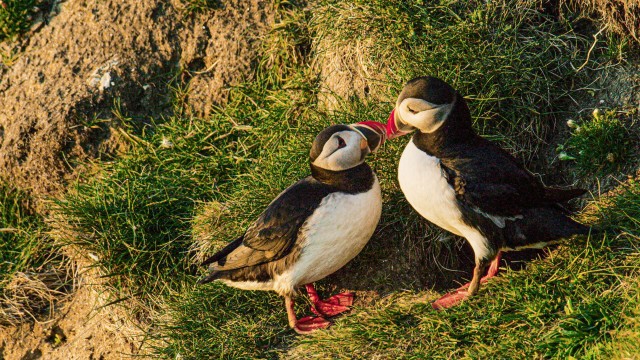
Summer means food is plentiful, and this year's youngsters must feed, grow and prepare to start life alone. For puffins it's a massive leap of faith as they jump from their cliff-top nests into the ocean, 600 feet below.
In the Atlantic's far north, autumn is the season of gales, cooling temperatures and driving rain. This is the season when the wildlife must make the final preparations for winter or migrate to warmer climes.
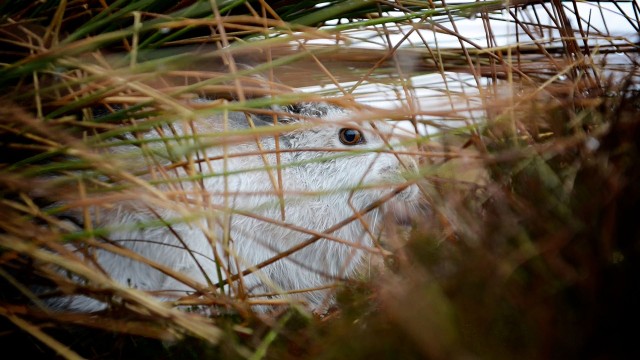
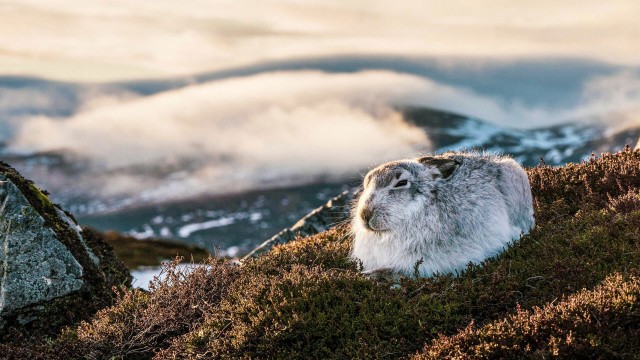
As spring brings warmer weather and longer days, the breeding season begins across Scotland. A female mountain hare tests the virility of male contenders.
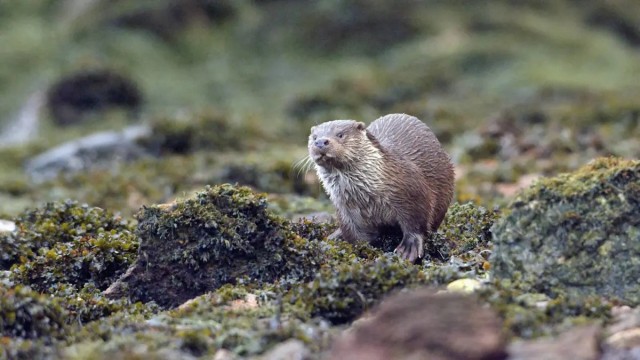
Summer has finally arrived in Scotland, bringing long days and an abundance of food. On the west coast, two white-tailed eaglets are learning to fly, and the larger female is beginning to master it. On a beach in the Shetland Islands, the seas are full of plentiful feeding opportunities for young otters learning to go it alone.
It's autumn in Scotland and the clock is ticking. As daylight diminishes and the weather cools, food resources dwindle. Animals must either migrate now or prepare to face the winter head on. Autumn sees the first sprinkling of snow on Scotland's highest peaks. Inland moorlands turn from pink to brown as heather flowers fade.
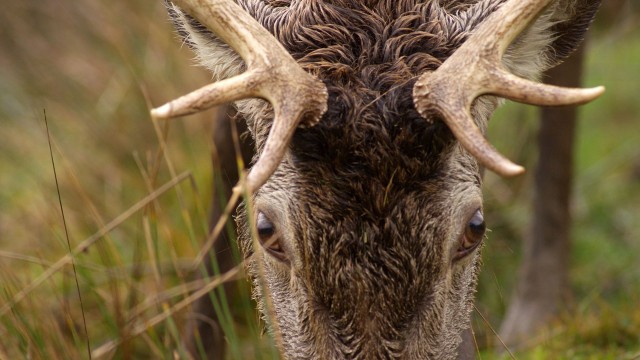
It is late January and in the western Highlands of Scotland, and it's unusually warm, even at night. The warmth has brought red deer out of hiding. With no snow or bitter winds to contend with, they're heading back to the hilltops, where there's plenty of heather to eat. Cameras also focus on the Shetland Isles during the winter solstice, and mountain hares in the Cairngorms.