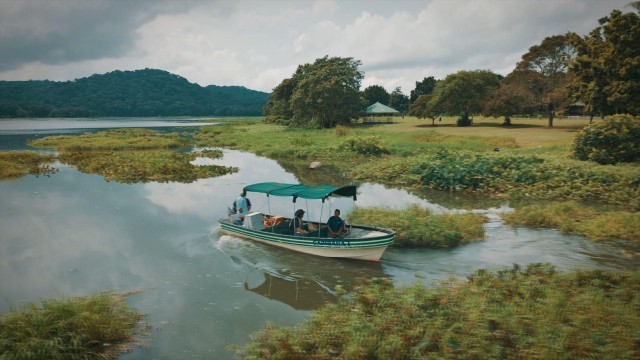
Panama City is a metropolis and financial center, shaped by its unique location between two continents and oceans. The formation of the isthmus three million years ago altered the climate and biodiversity and even influenced human evolution. Today, the city is a cultural melting pot, but water scarcity and infrastructure problems threaten its future. Despite these challenges, it remains a global hub. (Text: GEO Television)
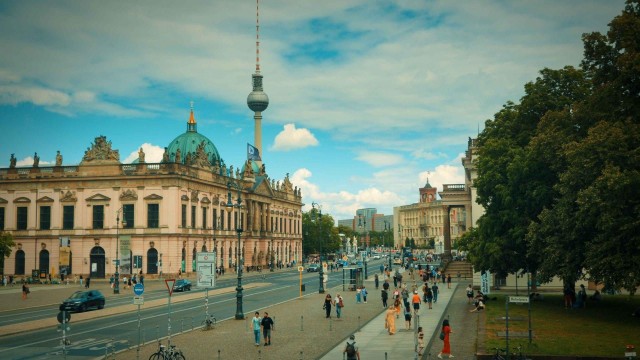
For 28 years, the Berlin Wall divided East and West. As a result, many things in Berlin exist in duplicate – for example, two universities, two zoos, and over 150 theaters. Nearly 4 million people from 200 countries live here, including the largest Turkish community outside of Turkey. Berlin is also one of the greenest capital cities in Europe. After World War II, 75 million cubic meters of rubble were transformed into artificial mountains and renaturalized into parks. (Text: GEO Television)
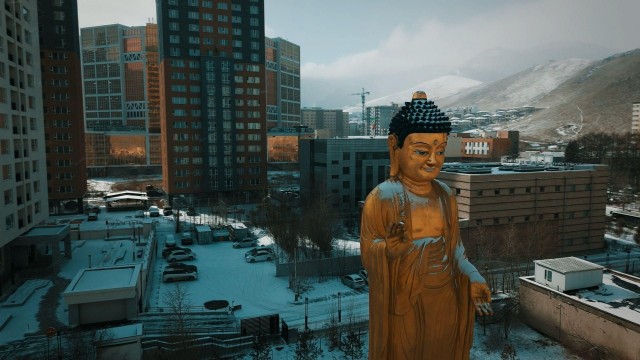
Ulaanbaatar lies between Russia and China, blending nomadic tradition with rapid change. Once a Buddhist center, it became a model city under Soviet influence and experienced brutal purges. After 1992, the population grew to 1.7 million, and infrastructure and transportation collapsed. Now, a young generation is shaping culture and education, while Buddhism and creativity are experiencing a revival – a city caught between continuity and change. (Text: GEO Television)
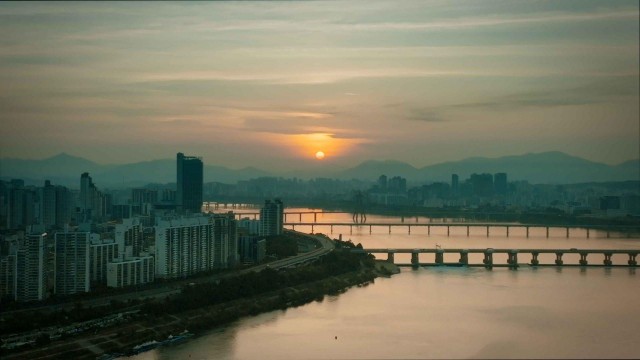
Seoul has transformed itself from a war-torn impoverished city into a global economic and cultural powerhouse. With 10 million inhabitants, it is the epicenter of the "Korean Wave," which has shaped K-pop, fashion, and beauty worldwide. Behind the high-tech and glamour lies extreme pressure to perform, long working hours, and a birth rate of 0.6—the lowest in the world. Despite its many challenges, Seoul remains a symbol of ambition and change. (Text: GEO Television)
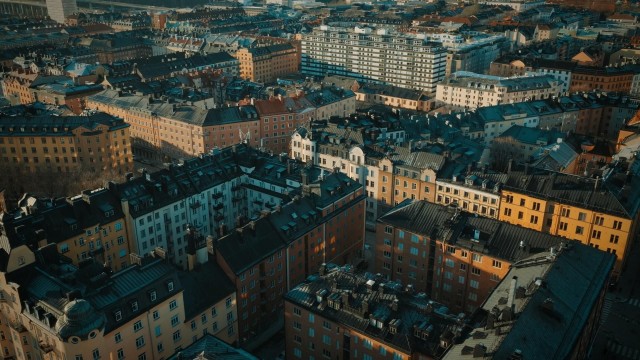
Stockholm stretches across 14 islands and 57 bridges, lies within an archipelago of 30,000 islands, and is 30% water. 500,000 people use ferries daily, and around 100 live permanently on boats. In summer, 50,000 residents move to holiday homes in the archipelago. With 86 museums and 93 theaters, the city is a true entertainment hub. A generous social welfare system allows artists to take risks. (Text: GEO Television)
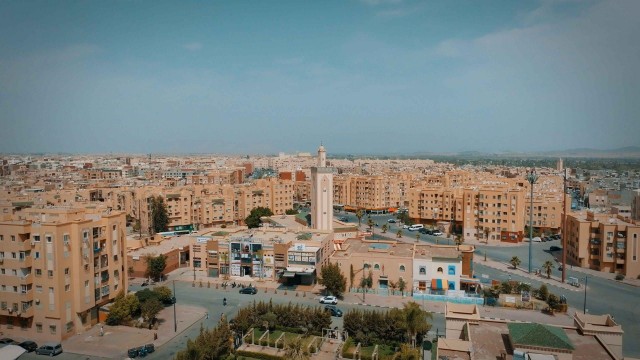
Marrakech was founded in 1062 and today has around one million inhabitants. Approximately 200,000 people live in the 700-hectare medina, protected by a 19-kilometer-long wall. Nearly four million tourists visit the city annually, significantly influencing the economy and daily life. At the same time, droughts, rising temperatures, and falling groundwater levels are impacting the region, while traditions such as crafts and storytelling continue to thrive. (Text: GEO Television)
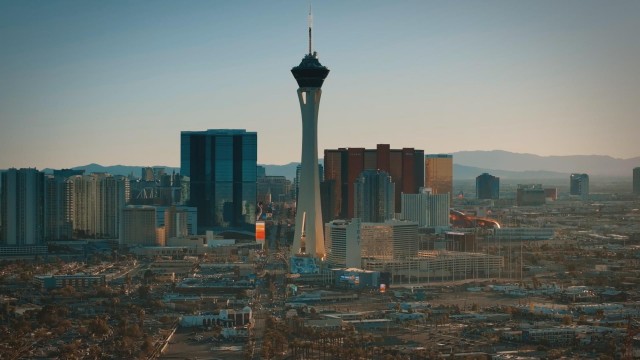
Las Vegas, located in the heart of the Mojave Desert, is a global symbol of entertainment and extremes. Behind the glittering Strip, which attracts 42 million tourists annually, lies a city of 3 million residents leading ordinary lives. Vegas grapples with heat, traffic, and water scarcity, yet recycles 99% of its water. From a gambling paradise to a mecca of sports and entertainment, it remains a place of constant change—spectacular and vulnerable at the same time. (Text: GEO Television)
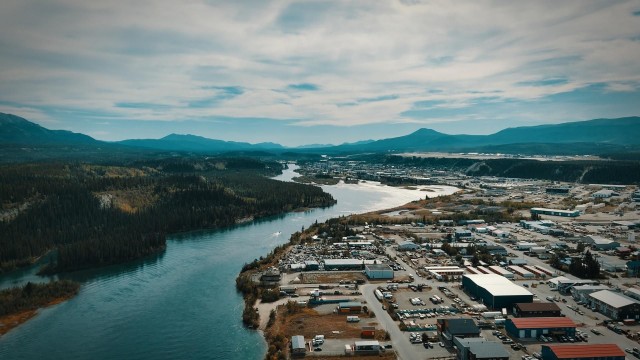
Whitehorse lies at 60° north latitude and is home to 30,000 of the Yukon's 46,000 inhabitants. Nearly one in six is Indigenous, and 11 of the 14 First Nations have self-governing rights. The 1896 gold rush brought 200,000 people to the region. Four wind turbines power 650 households, and up to 500,000 tourists visit annually. Summers see 21 hours of sunlight, while winter days barely reach four. (Text: GEO Television)