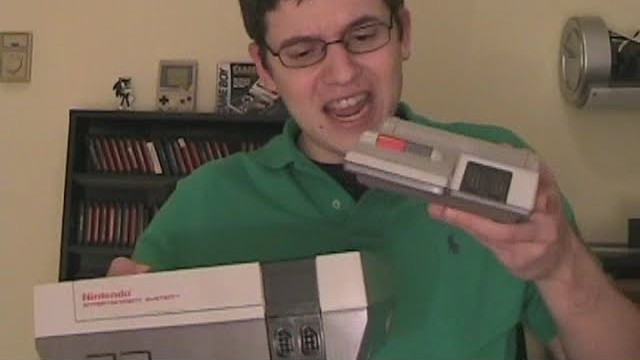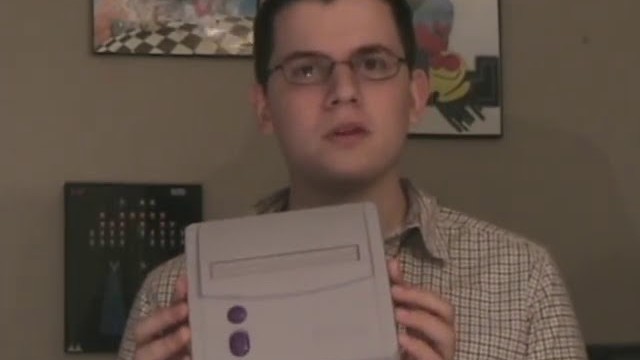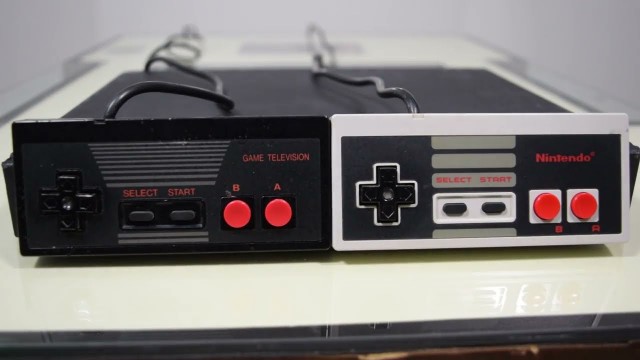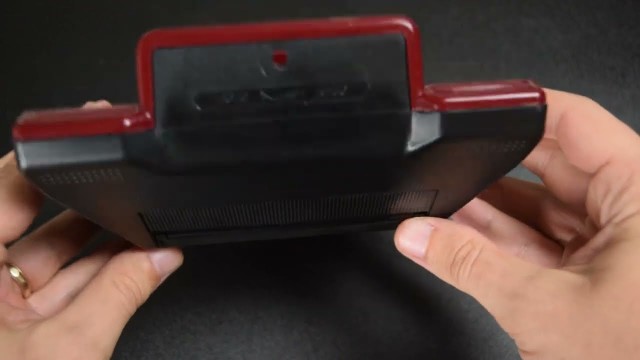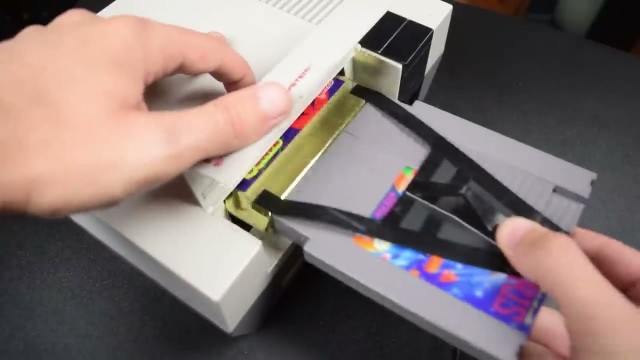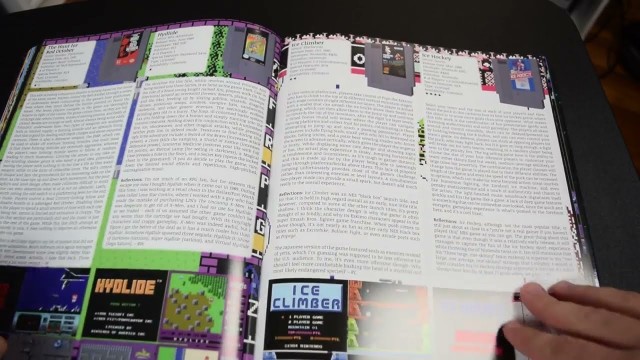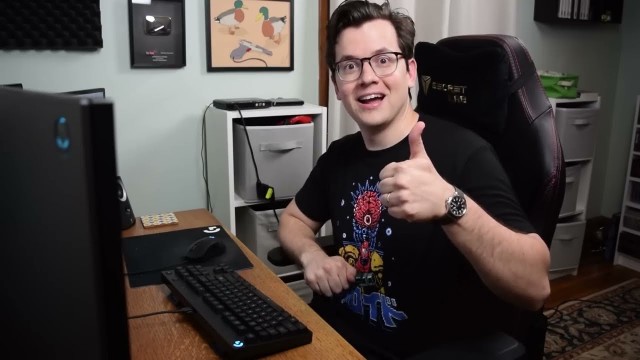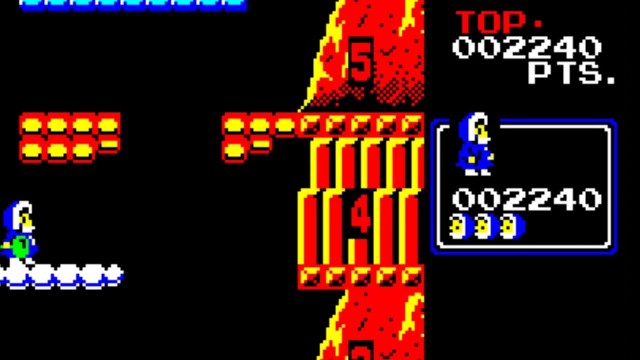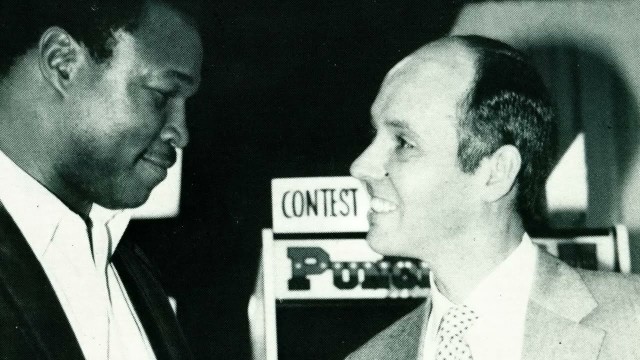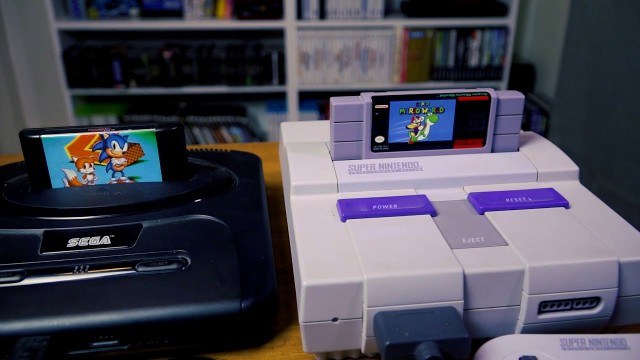
Gaming Historian takes a look at the second model of the Nintendo, the NES 2, also known as the 'top loader'. What is this console and why was it largely forgotten? This was the very first episode of Gaming Historian, from 2008!
Gaming Historian looks at the history of Donkey Kong, the game that gave Nintendo a footprint in the US video game market and introduced everyone's favorite plumber, Mario (known as Jumpman back in the day!)
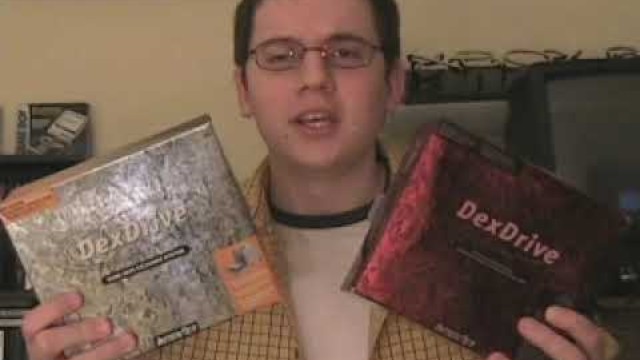
Gaming Historian takes a look at the DexDrive, an interesting peripheral for the Playstation and Nintendo 64 that inspired a whole new way of gaming. Before internet connectivity on consoles and DLC, the DexDrive allowed you to share data on your memory cards!
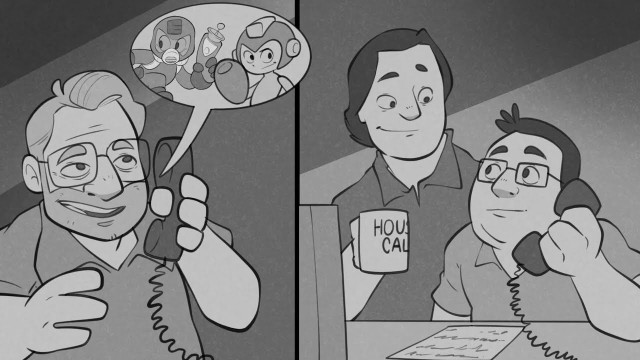
Gaming Historian takes a look at the history of Mega Man, the blue bomber that launched Capcom into console gaming.
The Gaming Historian takes a look at the history of the last console released by SEGA, the Dreamcast. Part 2 was removed from YouTube due to copyright. Parts 1 and 2 are available as one episode with S2014E03.
Gaming Historian takes a look at the Video Game Crash of 1983, also known as the North American Video Game Crash of 1983. What was it and why did it happen?
The Gaming Historian takes a look at the SNES 2 model SNS-101, an updated version of the Super Nintendo. This console was smaller and lighter than the original, but was it worth it?
Gaming Historian takes a look at the history of Kirby. Created by Masahiro Sakurai with the intentions of becoming a simple game for all ages, Kirby has become a staple Nintendo character.
The Gaming Historian uncovers some frightening games, including 3D Monster Maze and Resident Evil.
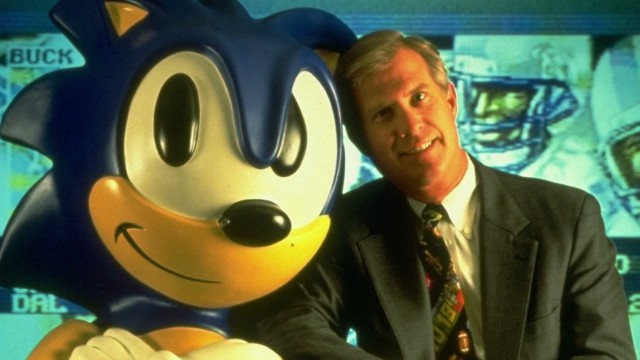
Gaming Historian takes a look at the history of Sonic the Hedgehog! Part 1 covers his beginnings as a napkin drawing through his first game on the Sega Genesis / Mega Drive.
Gaming Historian gets a bit personal in this look at the history of the Game Boy, which is still one of Nintendo's best selling console of all time.
Gaming Historian takes a look at the Nintendo Advanced Video System (AVS), the first attempt at bringing the Famicom to the United States. It featured wireless controllers, a cassette player, and a keyboard! Needless to say, it didn't survive.
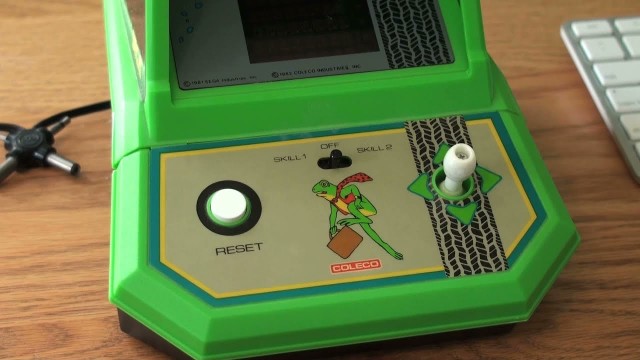
Gaming Historian gives a brief overview of the Coleco Mini-Arcade. These little arcade cabinets brought home the arcade and featured Frogger, Donkey Kong, Galaxian, Pac-Man, and more!
Gaming Historian's history of Sonic the Hedgehog continues with part 2. This time we focus on the great years of 1992 and 1993, with Sonic 2, Sonic 3, and Sonic & Knuckles.
This was a cross-over special I did with Derek (Happy Video Game Nerd) for April Fools Day 2010.
We are all used to scrolling in video games, but once upon a time it was nonexistent. Gaming Historian uncovers the game that started it all.
Gaming Historian provides a great gift idea for the gamer in your life. Mega Man: Official Complete Works provides tons of great information and art from the series.
Part 3 of Gaming Historian's history on Sonic the Hedgehog examines the "other" Genesis titles, as well as Sonic's miserable journey through the SEGA Saturn era.
In this final episode on the history of Sonic The Hedgehog, Gaming Historian takes a look at the days of the Dreamcast and what the future holds for Sonic.
Gaming Historian provides an in-depth look at one of the greatest FPS series of all time, Medal of Honor, as well as the historical context surrounding the game.
Gaming Historian takes a look at the history of the Vectrex, one of the most unique consoles to ever be released. Featuring vector line graphics and a built-in monitor, the Vectrex was like a mini-arcade.
After two successful arcade games in the Donkey Kong series, Nintendo decided to change up the formula by releasing Donkey Kong 3, a game much different than it's predecessors. Gaming Historian takes a look at this mostly forgotten game.
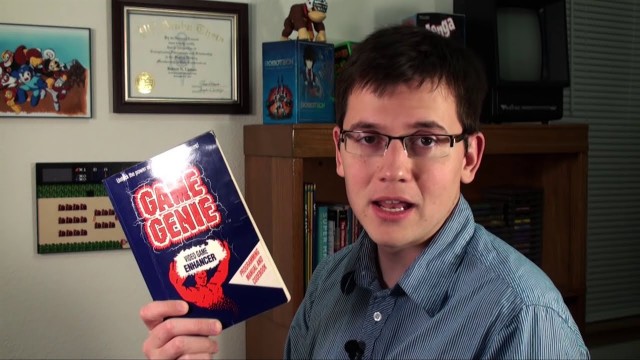
Gaming Historian gives a complete history of the Game Genie by Galoob. This device not only made cheating easy, it helped define fair use in the video game industry. Take a closer look at the device and how it worked.
Video games in the animal kingdom? Yes, it is true. Learn more about a species of frog named after one of the most popular video game characters of all time, Pac-Man.
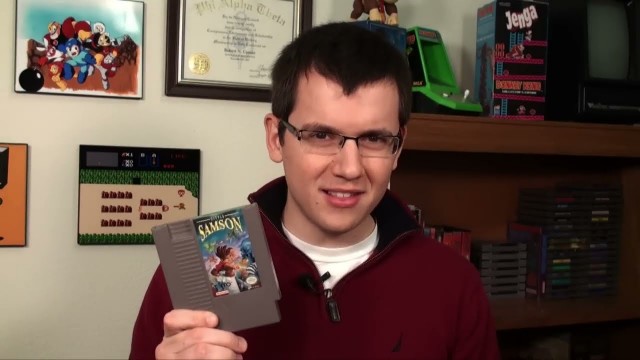
Gaming Historian uncovers Little Samson, one of the most sought after games on the NES. How could a game developed by an all-star team go unheard of for so many years?
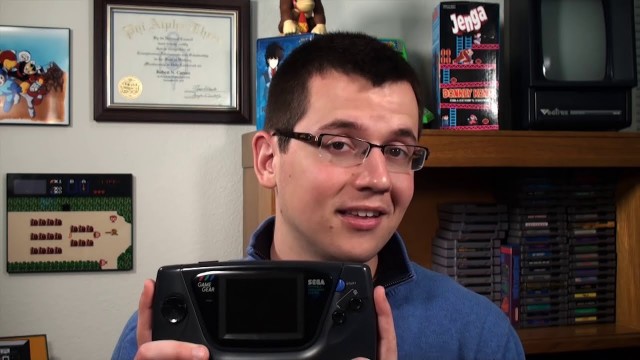
Gaming Historian tells you everything you need to know about the Sega Game Gear.In 1991, SEGA released the Game Gear to keep up with Nintendo in the video game market. Although it eventually succumbed to the Game Boy, SEGA's handheld is still loved today.
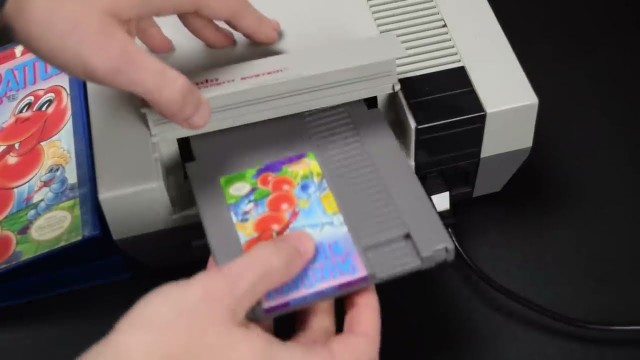
Gaming Historian gives a complete history / overview of the NES 2 (NES-101), also known as the 'top loader.' While the NES 2 made it easier to play games, it had a few limitations.
Gaming Historian provides a history of the Nintendo 64DD, including it's long delay and lackluster release. What was this add-on for the N64 and why did it completely fail?
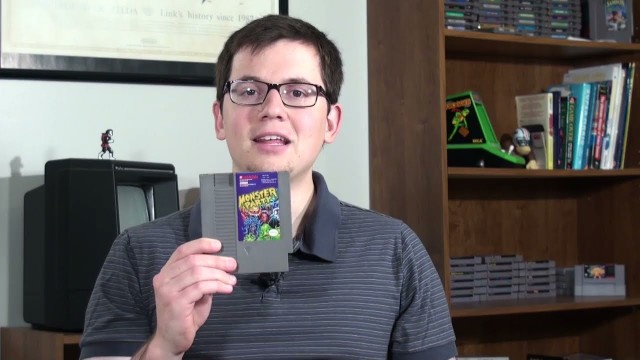
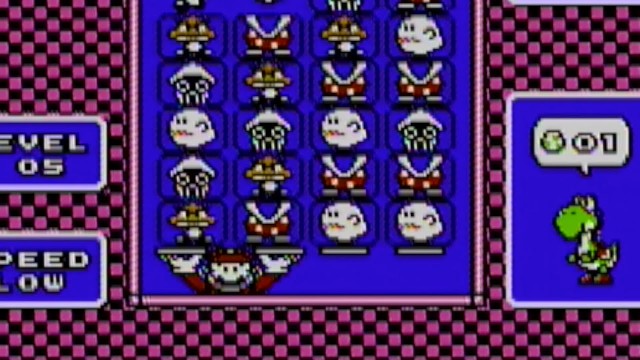
Gaming Historian looks at Monster Party, an NES platformer that doesn't seem out of the ordinary. However, after a prototype of the game appeared, many secrets of what it should have been were uncovered.
Gaming Historian provides a thorough review of Hyrule Historia, a new book from Dark Horse Comics that provides in-depth information on the Legend of Zelda universe. Is this book worth picking up?
Gaming Historian covers the Universal vs Nintendo Case, a landmark decision in the video game industry. In the early 80's, Nintendo hit it big with Donkey Kong, but Universal took the opportunity to sue them for copyright infringement of King Kong. What happened in this case and why is it important?
Join Norm, The Gaming Historian on a magical journey through his basement / game room! What crazy things will we find?
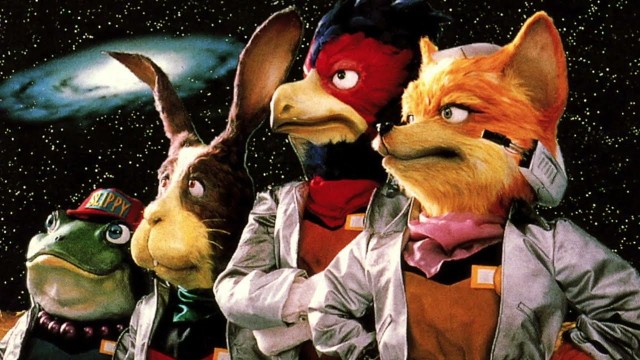
Gaming Historian does a barrel roll into the history of the Star Fox franchise. Part 1 covers the creation of the series as well as the first game on the Super Nintendo.
Part 2 of Gaming Historian's look at the history of Star Fox examines Star Fox 2, a canceled game on the Super Nintendo. What happened to this game and why was it canceled?
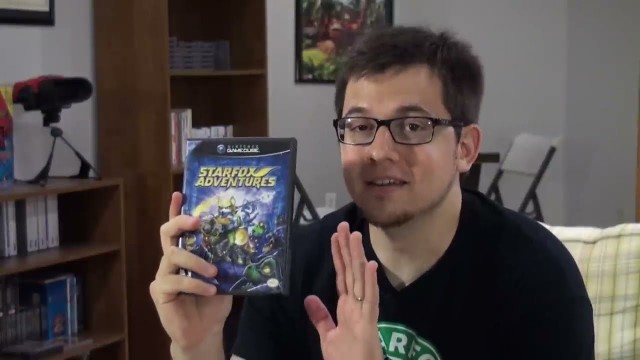
Gaming Historian continues the history of Star Fox with part 3. After Star Fox 2 was canceled, development shifted to the Nintendo 64 where the team would create the signature game in the series. Part 3 covers Star Fox 64 and Star Fox Adventures.
Gaming Historian concludes the history of Star Fox with a look at Star Fox Assault and what the future holds for the franchise. Will we ever see another Star Fox game?
On this special Halloween episode, Gaming Historian is going to talk about a spooky game on the NES, Uninvited! Originally a PC game, Kemco ported it over to the Nintendo Entertaintment System. Is it worth picking up?
Gaming Historian provides a very brief history of Contra, the classic run-n-gun shooter series. What exactly is a Contra anyway? Find out!
Gaming Historian gives a complete overview of the Sega Genesis 3 (MK-1461). Released near the end of the Genesis era, Majesco's Genesis 3 was small and light, but lacked other features of the previous models.
A review of NES Remix on the Wii U. NES Remix takes many of your classics NES games and puts a new twist on them. But is this downloadable Wii U title worth picking up?
Gaming Historian provides a complete history of the Sega Dreamcast. Sega's last console was pretty awesome, but a variety of reasons caused it to ultimately die sooner than expected. Find out more!
Gaming Historian gives the complete history of the Virtual Boy. Released in 1995 by Nintendo, the Virtual Boy was supposed to change video games. Instead, it became one of the worst selling consoles of all time.
Gaming Historian tackles the Atari landfill myth. Recently, the Atari landfill was uncovered in Alamogordo, New Mexico. Back in 1983, Atari cleared out their El Paso, TX plant and dumped a bunch of their product into a landfill. The actual dumping of product is not legend, Atari even admitted they did it back in 1983. The real legend was that they dumped nothing but ET cartridges. This excavation proved it was exactly what Atari said it was over 30 years ago.
Gaming Historian goes over Mario's Secret NES Games. Back in the early days of the NES, Mario was just another character. Learn about all the games he snuck into on the console.
To celebrate Nintendo's 125th birthday, Gaming Historian takes you way back to lay the groundwork for what would become the most important video game company in the world.
Gaming Historian reviews the Sega Master System Encyclopedia. Is this a worthy book to add to your library?
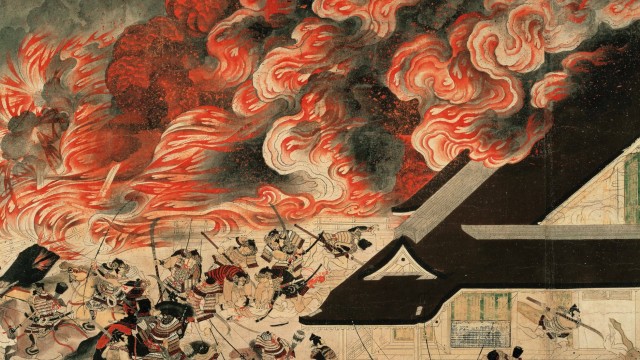
Genji: Dawn of the Samurai is an action game on the PS2 that is loosely based on the Tale of Heike. How accurate is it? Gaming Historian wants to know!
Gaming Historian tackles the history of Super Smash Bros, one of the most popular fighting games of all time. How did it go from a side project to a full fledged franchise? This episode covers Super Smash Bros & Super Smash Bros. Melee.
Gaming Historian continues the history of Super Smash Bros. After completing Melee under heavy stress, Sakurai left HAL Laboratory to form his own company, Sora. But an old friend was about to make a surprising announcement.
Gaming Historian looks at Mario's secret Game Boy games. We all know Mario starred in a lot of Game Boy games, but a few might surprise you.
Gaming Historian reviews the IndieBox subscription service. Remember when games came in boxes? Each month, IndieBox sends you an indie game complete in box with a bunch of extras. But is it worth your money?
Gaming Historian gives the complete history of LJN, a toy / video game company. Although notorious for their bad video games, LJN was more than just a game publisher and the story of their rise & fall is quite interesting.
Gaming Historian goes over the top 3 biggest mistakes Nintendo has ever made. Recently Nintendo unveiled their 'Nintendo Creator Program' for YouTube. People are calling it one of their biggest mistakes. A mistake? Yes. Their biggest? Hardly.
Once upon a time, Square was struggling to increase sales in North America. They thought Americans needed more training on RPGs. Their solution? Final Fantasy Mystic Quest, one of the most beginner RPGs you will ever play. Gaming Historian provides the history of the game, plus a brief overview.
Gaming Historian compares the game 'The Oregon Trail' with the history of westward expansion in the United States. Is it historically accurate?
Gaming Historian reviews the book 'Sega Mega Drive/Genesis: Collected Works.' Is this 350-page love letter to the Genesis worth it?
Gaming Historian begins the history of the Wolfenstein series, which began all the way back in 1981 on the Apple II. This episodes covers the origins, as well as Wolfenstein 3D
After Wolfenstein 3D, the FPS genre boomed. But id Software put the franchise on the shelf, making hits like Doom & Quake....until the late 90's, when World War II invaded pop culture.
Gaming Historian concludes the history of the Wolfenstein franchise. In 2005, id Software announced a new Wolfenstein game for consoles. It was released four years later. Would it live up to the hype?
After 7 years, Gaming Historian has reached the milestone of 100,000 subscribers. To commemorate this event, I present to you the tale of me (Norman), and my show. Enjoy.
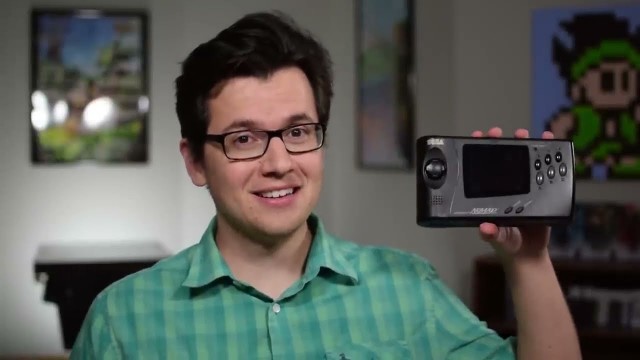
Gaming Historian goes over the 2nd handheld console from Sega, the Nomad. Released in 1995, the Nomad was basically a portable Genesis. Learn more about the system itself and why it failed to catch on.
Gaming Historian reviews the documentary 'Atari: Game Over.' Is this feature all about uncovering the Atari landfill worth seeing?
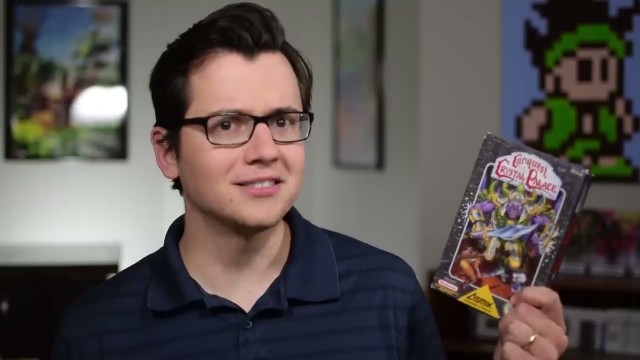
Gaming Historian discusses Conquest of the Crystal Palace, a game that seems to have been completely overlooked in the retro gaming community.
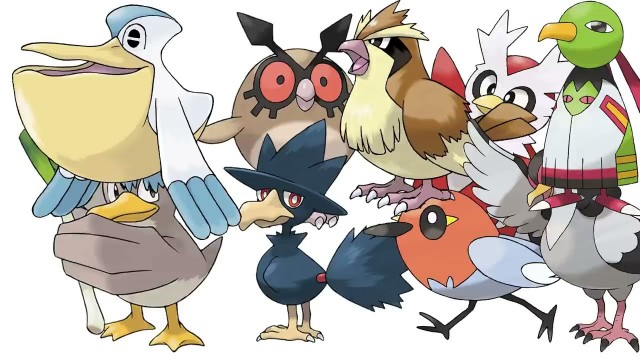
Gaming Historian provides his Top 10 birds in video games. Yes......birds.
Sharp & Nintendo have a great business relationship, having worked together on the Game & Watch, Twin Famicom, & 3DS. One of their strangest collaborations, however, was the Sharp NES TV.
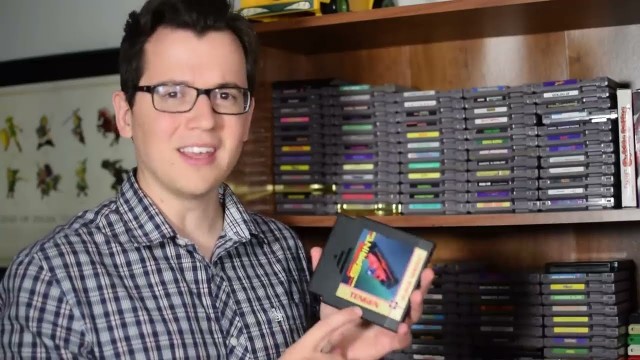
In the late 80's, Tengen (a subsidiary of Atari Games) decided to challenge Nintendo over their strict policies on 3rd party licensing. How? By suing them and releasing unlicensed video games. Learn the history behind it all.
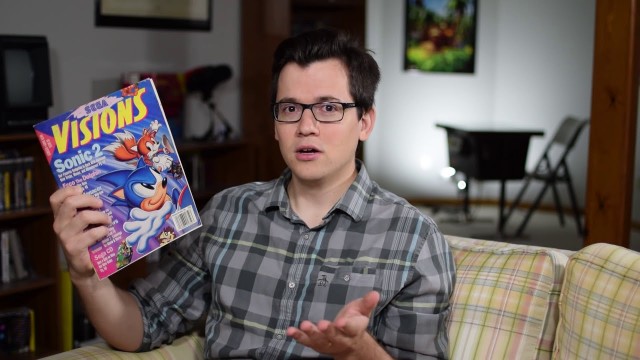
During the war between Sega & Nintendo in the early 90's, both companies put out magazines for their fans. Most people are familiar with Nintendo Power, but what about Sega Visions? Let's take a look!
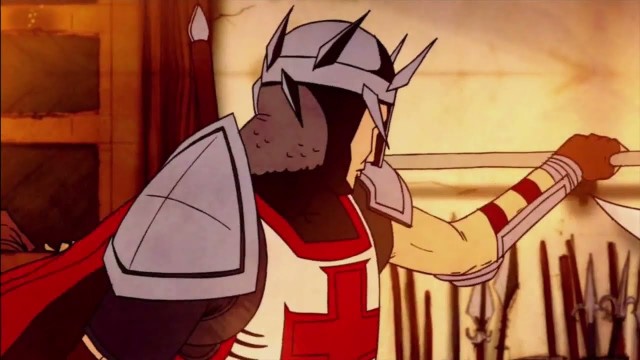
Dante's Inferno, released in 2010, is based on the epic poem by Dante Alighieri and the Third Crusades from the 12th century. How accurate is it? Let's find out!
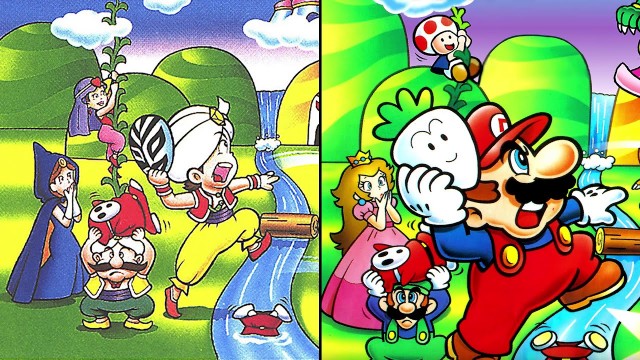
Learn the complete history behind Super Mario Bros. 2 and its Japanese counterpart, Yume Kōjō: Doki Doki Panic.
Family Computer 1983-1994 only came out in Japan, but it's completely translated into English! Buy this book before it's too late. Trust me.
Gaming Historian covers Mega Man: The Wily Wars and Mega Man on the Game Gear, the only two games in the franchise that were exclusive to Sega. How did a franchise that was exclusive to Nintendo consoles make it's way over to Sega? Find out!
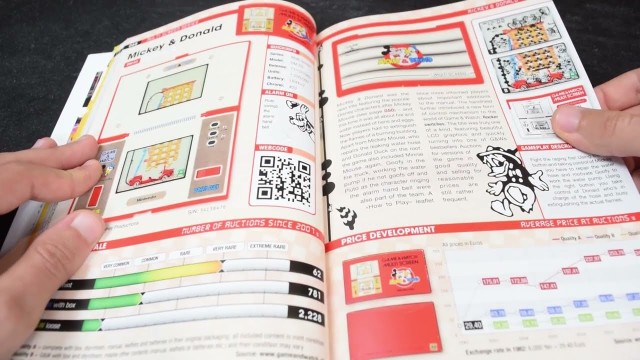
Gaming Historian reviews The Unofficial Game & Watch Collector's Guide. Is this the ultimate resource on Nintendo's Game & Watch? Find out!
The Gaming Historian provides a comprehensive history on the Power Glove, the very first mass-marketed, gesture-based device. This is the most detailed history available on how Mattel was able to take a $9000 virtual reality device and turn it into a Nintendo controller.
A biography of Satoru Iwata: His life, his accomplishments, and why he was important to the video game industry.
A history and overview on Ristar, the forgotten Sega platformer released in 1995. Learn the characters origins and why it failed to catch on like Sonic the Hedgehog.
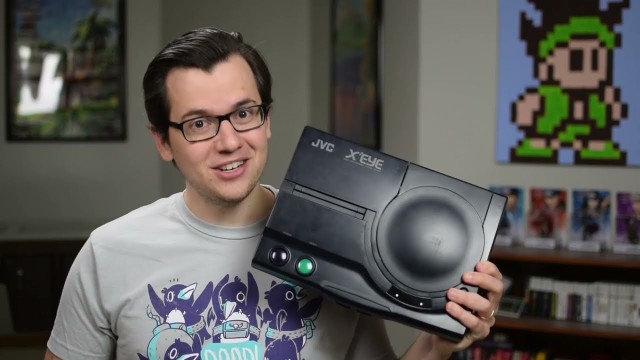
Gaming Historian talks about the JVC X'Eye, an expensive, hard-to-find console that played both Sega Genesis & Sega CD games. Was it worth the hefty price tag?
Before Mario by Erik Voskuil chronicles some of the toys & games Nintendo made before they entered the video game industry. But is this book worth a purchase?
Learn about Nintendo's battle against the rental industry, including their lawsuit against Blockbuster Video.
Gaming Historian reviews 'Console Wars' by Blake J. Harris. Console Wars tells a highly detailed story about the battle between Sega & Nintendo during the 90's. Is it worth picking up?
The history of the StarTropics series, a Nintendo franchise that both began & ended on the NES. StarTropics was Nintendo's attempt to create games specifically for the western market. Learn more about this unique series and why it never took off.
April Fools!
Gaming Historian takes you on a tour of the National Videogame Museum in Frisco, TX. Learn about the history of the museum, what's contained inside, and future plans!
Gaming Historian reviews the book 'Nintendo Magic' by Osamu Inoue. Nintendo Magic blends facts, figures, and interviews to tell the story of how Nintendo rose above the rest, primarily with the Nintendo DS & Wii systems. But is this book an entertaining read?
Gaming Historian tells the story of Nintendo and their quest to purchase the Seattle Mariners. Nintendo's interest in Major League Baseball sparked a wave of controversy and, ultimately, changed the game.
Gaming Historian tells you everything you need to know about the Famicom Disk System. Nintendo considered the Disk System the future of the Famicom, and promised bigger, cheaper games. Did it live up to the hype?
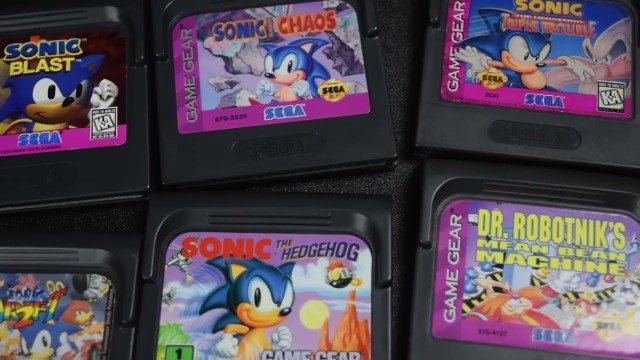
This year, Sonic the Hedgehog turns 25 years old. His presence on the Genesis boosted Sega's market share, but Sonic also had quite a few titles on the Game Gear too! Let's take a look at all 10 games released in North America and see what they are all about.
Gaming Historian gives an overview / review on the Sega Power Base Converter, an accessory for the Genesis that let you play Sega Master System games! This allowed Sega to brag that their system was backwards compatible.
In the early 90's, there was a growing concern from the public about violent entertainment. When the government began seeing footage of graphic video games, they stepped in with an ultimatum for the industry: Regulate yourselves, or we'll do it for you.
Gaming Historian reviews Blinking Light Win, a mod for your NES that permanently fixes the blinking light error and redesigns the loading tray. Learn more about the device and find out if it's worth your money! Note: Gaming Historian was not paid to review this product or given the product for free in exchange for a review. I purchased this for $30 at Game On Expo from the ArcadeWorks booth.
It cost 48 million dollars to make, but only grossed 21 million. By most accounts, it was a disaster, from start to finish. Learn all about the making of the very first big budget video game movie. Special thanks to the Super Mario Bros. Movie Archive - http://www.smbmovie.com/
Gaming Historian reviews Pat Contri's book "Ultimate Nintendo: Guide to the NES Library. This 450+ page book reviews every North American NES game and weighs a whopping 7 pounds! But is it worth your hard-earned money?
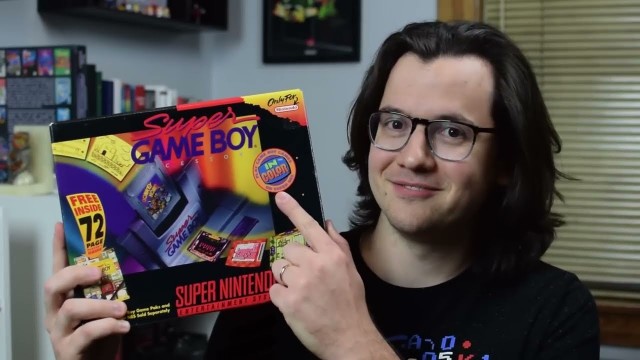
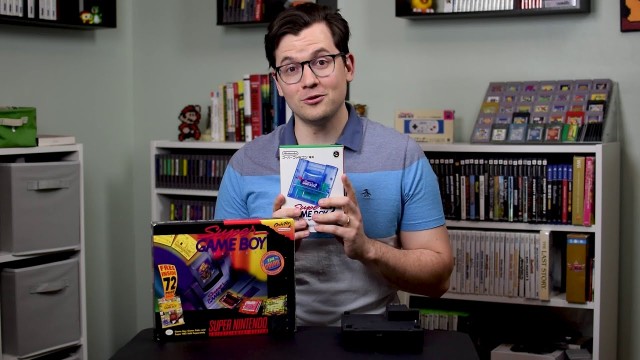
Gaming Historian teaches you everything you need to know about the Super Game Boy / Super Game Boy 2. Playing Game Boy games on your television in color was cool enough, but the Super Game Boy was so much more.
K.C. Munchkin is a Pac-Man clone that set off a groundbreaking legal battle with Atari. The ensuing court case would provide the groundwork for how copyright laws apply to video games.
During the sixth generation of consoles, Nintendo's GameCube was criticized for it's lack of DVD playback. But in Japan, Panasonic had a solution: A DVD player that can play GameCube games! But was it worth the hefty price tag?
Back in 1999, two emulators were released commercially that let gamers play Playstation games on their computer: The Connectix Virtual Game Station and Bleem! Sony sued both companies, and their legal battle set a precedent for the legality of emulation. Learn the history behind it all!
Apparently some of you thought I wasn't "funny" in my last episode. Fine then, let's get serious. DEADLY SERIOUS.
The D-Pad is an industry standard in controller design. Who invented it? How does it work? Why is it in just about every video game controller? Is every D-Pad the same? Find out!
In 1996, powerhouse developers Square & Nintendo teamed up and released Super Mario RPG. While the concept puzzled a few people, the game became a classic. Learn the history of the game and how it came to be!
Gaming Historian attempts to uncover the truth about Polybius, one of the first video game urban legends. Allegedly, the game was made by the government as an experiment to recruit soldiers and brainwash kids. Is it all false? Or are there some kernels of truth?
Back in the 90's, Blockbuster had two big problems. They knew their business model wouldn't last forever, and customers couldn't rent what they wanted due to inventory issues. The solution? On-demand kiosks. They tested this new technology on video games, and Game Factory was born. But it didn't last very long. Learn the story.
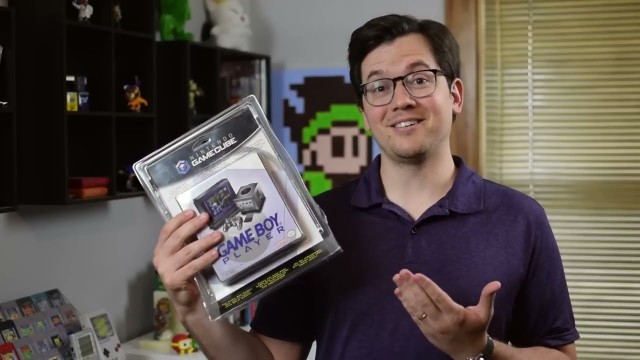
In 2003, Nintendo released the follow-up to the Super Game Boy, the Game Boy Player. A device for the Gamecube, the Game Boy Player could play Game Boy, Game Boy Color, and Game Boy Advance games. Is it the best way to play Nintendo handheld games on your television?
Learn the origins of the most famous cheat code of all time: The Konami Code!
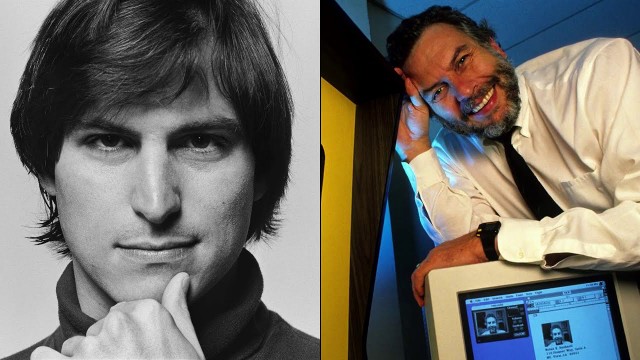
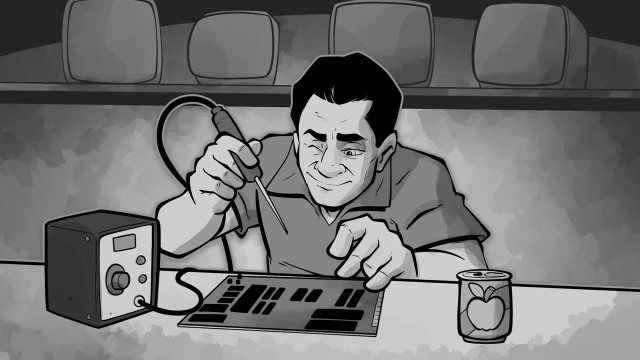
Before Steve Jobs changed the world of technology at Apple, he was just a college dropout looking for a job. He ended up at a new startup video game company, Atari, where he worked on one of their most popular titles.
Sega saw a meteoric rise in the video game market share during the early 90's. By 2001, they were no longer making hardware. How can you fall so hard, so fast? Let's take a look at Sega's 3 Biggest Mistakes!
SEGA was one of the biggest video game companies in the 90's, but did you know they dabbled in toys too? Let's take a look at SEGA Pods, a motion-detecting game very similar to Simon!
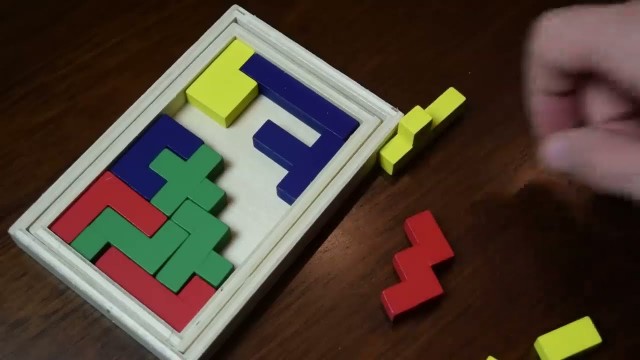
In 1984, during the Cold War, a Russian programmer named Alexey Pajitnov created something special: A puzzle game called Tetris. It soon gained a cult following within the Soviet Union. A battle for the rights to publish Tetris erupted when the game crossed the Iron Curtain. Tetris not only took the video game industry by storm, but it also helped break the boundaries between the United States and the Soviet Union.
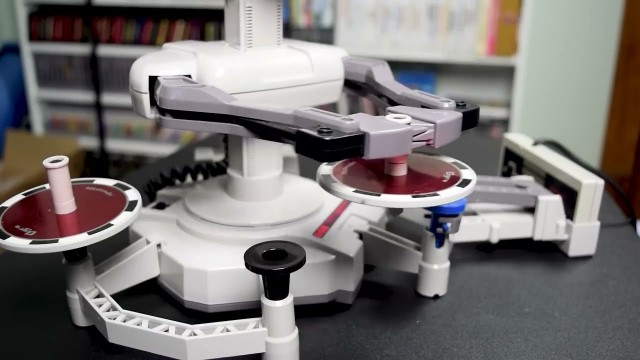
In 1984, Nintendo made plans to bring their Famicom console to North America. There was just one big problem: Stores wanted nothing to do with video games. Learn how a small robot helped save the video game industry and made Nintendo a household name.
MY TOP 5 TWERKS IN VIDEO GAMES. DON'T GET TOO TURNED ON.
I've talked about the Super Game Boy, Super Game Boy 2, and the Game Boy Player. But now let's dive into 3rd party devices that played Game Boy games on your television! This episodes talks about the GB Hunter, Super GB Booster, Advanced Game Port, and the GBA TV Converter.
Gaming Historian provides a history of the SEGA 32X. In an effort to stay ahead of the game, SEGA released the 32X in late 1994. It was an add-on that transformed the Genesis from 16-bit to 32-bit. SEGA pitched it as a cheaper alternative to the upcoming next-gen systems. But in less than a year, it was forgotten. The 32X damaged SEGA's reputation with developers and consumers. Learn all about it!
Did you know Hudson Soft ported several popular Nintendo games to Japanese PCs? Back in 1984, Nintendo gave Hudson permission to not only port over old titles, but create new ones as well. In this episode of The Gaming Historian, we'll go over all of them!
Learn about the history of Spyro the Dragon and it's developer, Insomniac Games. Spyro the Dragon was one of the first, open-world 3D platformers on the Playstation. Sony hoped it would help them compete against Nintendo's family-friendly games. It did that and so much more.
In 2002, Sega was promoting their newest release, NBA 2K2. But things came to a screeching halt when Nike sued them for copyright infringement. Learn all about this little-known case between Nike and Sega!
A documentary detailing the complete history of Nintendo's Punch-Out!! video game series. In 1983, Nintendo had a problem: They had too many arcade monitors. Rather than toss them, they made a new game that could use 2 monitors. That game was Punch-Out!!, one of Nintendo's most beloved franchises.
The Super Mario Land series was Nintendo's attempt at bringing the Super Mario franchise to the Game Boy. But it was also the first time Mario creator Shigeru Miyamoto would not be involved. Learn all about the history of this series and the impact it has left on the Mario franchise!
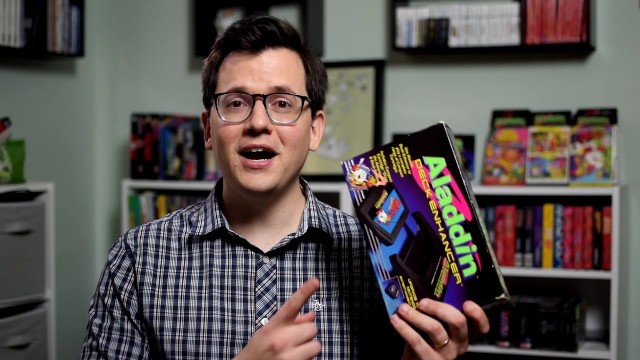
Learn about the history of a unique NES accessory, the Aladdin Deck Enhancer! In the early 90's, the 16-bit war between Sega and Nintendo was heating up. But one company was thinking about the past: Camerica. In January of 1993, they announced the Aladdin Deck Enhancer, a device for your 8-bit NES that played proprietary compact cartridges. Why? Watch the video to find out!
Sonic the Hedgehog is Sega's flagship character. He is in a ton of games, including some that might not be so obvious. Let's find all of the games Sonic is secretly hiding in on the Sega Genesis!
In 1990, Power to the 10th Inc. introduced "The Hot Seat" for the Nintendo Entertainment System. It was a small seat that used body motion to control the game! How did it work? DOES it work? Learn more on this episode of The Gaming Historian!
Learn the complete history of The Legend of Zelda: Link's Awakening. What began as an after-hours passion project turned into of the greatest Zelda games of all time. Learn how the development team at Nintendo went outside the box and created The Legend of Zelda: Link's Awakening!
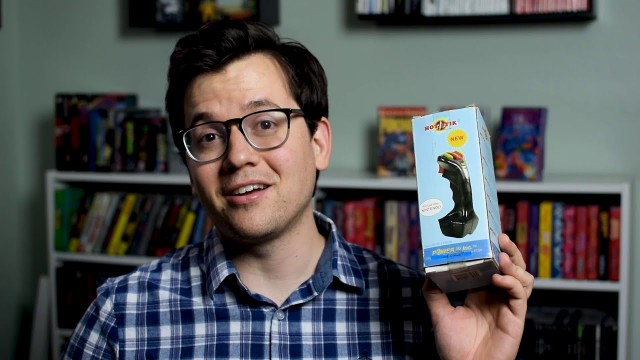
Remember the video on the NES Hot Seat? I thought it was the only product Power to the 10th Inc put out. Turns out I was wrong. This is the NES Hot Stik, a motion-controlled joystick! Does it work? Will it poison you with mercury? Find out more!
In 1989, Clark Thiemann was excited to play his brand new NES game, LJN's Major League Baseball. But when he started playing, his favorite MLB superstars weren't in the game. So what did he do? He sued Nintendo, LJN, & Major League Baseball.
Have you ever wanted to find fish with your Game Boy? Now you can with the Pocket Sonar! Released only in Japan in 1998, Bandai's "Gyogun Tanchiki: Pocket Sonar", aka Fish Finder: Pocket Sonar, hooked up to your Game Boy and contained a fish sonar, fish encyclopedia, and even a fishing mini-game!
A documentary about the creation of Super Mario Bros. 3, the unparalleled hype surrounding its release, and why it's considered one of the greatest games of all time.
Let's take a look back into the past...my past! In this video, I find 5 errors in my old episodes, offer corrections, and analyze what went wrong.
In 1993, Tengen wanted their own Mario or Sonic. They created Awesome Possum. On the surface, it's nothing special. But behind the game is a story about climate change, possums, and a ridiculous lawsuit.
In 1994, Sega launched the Mega Role-Playing Project to compete with Nintendo's RPG lineup. The first game from the project was Crusader of Centy, a Zelda clone! The game was called Shin Soseiki: Ragnacenty in Japan and Soleil in Europe. Learn more about its creation and legacy.
In the early 90's, Nintendo faced mounting pressure to provide more educational games. Their answer was Mario Paint. Learn the story behind the game and how it changed the lives of 3 creative individuals.
Sony entered the console market in 1994 with the Playstation, and they have been a major player ever since. But they didn't get there without a few bumps in the road. Let's go over Sony's three biggest mistakes!
In 1990, Capcom released Mega Man...on DOS? It's certainly a strange game when compared to the NES titles. But it was made by one man, Stephen Rozner, in his spare time. You could argue it was a fan game that Capcom cashed in on. And if you can believe it, Rozner and his brother made a sequel too! Learn the history of the Mega Man DOS games and the developers behind them.
In 1989, parents' concerns for their children's video game habits were at an all-time high. One eclectic inventor thought he had the perfect solution: Homework First. It was a literal lock that blocked the cartridge slot of the Nintendo Entertainment System. Was Homework First the ultimate solution to Nintenditis? Learn the story behind the first parental control system for video games.
1989 was the year of NES controllers. Mattel introduced the Power Glove. Broderbund debuted the U-Force. And then there was LJN's Roll & Rocker. The Roll & Rocker was a stand-on plastic board that rocked back and forth to control directional movement in games. It promised radical gaming action. But did the Roll & Rocker deliver?
In 1989, Sunsoft came to SEGA with a proposal: What if people could play Mega Drive games online? Wanting to make a splash in the market, the two companies teamed up and created the Mega Modem. The device brought online gaming, downloadable games, news, contests, and even financial transactions to the SEGA Mega Drive.
In 1989, the most anticipated new controller for the NES wasn't the Power Glove; it was the U-Force. Learn about the making of the device, its rocky road to retail, and the battle against the Power Glove.
Is Luigi named after a pizza parlor? Who actually came up with the name Donkey Kong? Why is King Koopa named after a bowl of soup? Learn the inspirations behind the names of 8 Super Mario characters!
Five years before Super Mario Maker, Capcom was developing Mega Man Universe, a central hub where users could create and share their own Mega Man levels. In less than a year, it was canceled. What happened?
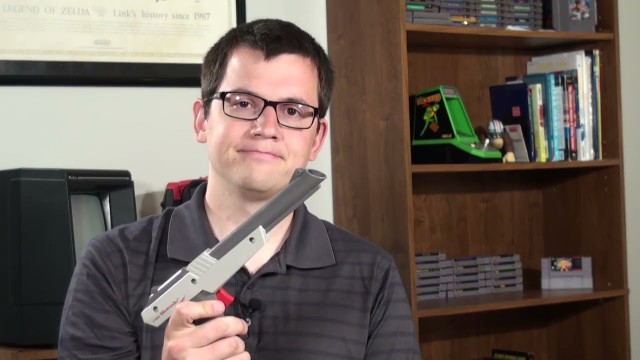
What's the history of light gun games? How does the Zapper work? What other light guns worked on the Nintendo Entertainment System? How many games were compatible? In this video, I try to cover everything. This is the Ultimate Guide to NES Light Guns!
A documentary on the making of Super Mario World, the launch of the Super Nintendo, and how the game perfected the concepts of the Super Mario series.
Microsoft entered the video game console business in 2001 with the Xbox. Today, they are still a major player in the industry. But it hasn't exactly been a smooth journey. Here are three of their biggest blunders (so far).
Before Nintendo had the NES, their games appeared on other consoles, including the biggest: the Atari 2600. Learn about the history of these ports and that weird time when Mario competed with himself.
When Nintendo launched the Super Famicom in 1990, they couldn't make enough consoles to meet the demand. But there was another way to get one: The Sharp SF1, a $1,000 TV with a built-in Super Famicom! Learn the history and functionality of this obscure piece of video game hardware.
Learn the complete history of Super Mario Kart, one of the most influential games of all time. After a failed attempt to make a 2-player version of F-Zero, Nintendo created a quirky go-kart racing game featuring Mario & friends. Despite receiving little hype, Super Mario Kart exploded in popularity, becoming one of the best-selling games for the Super Nintendo. It was a genre-defining title and the beginning of one of Nintendo's most popular franchises.
12 years before the Nintendo Wii took over living rooms, Sports Sciences released Batter-Up, a motion-controlled baseball bat for the Sega Genesis, Super Nintendo, and personal computers. The company claimed it was the first "virtual reality baseball bat." Was it a swing-and-a-miss or a home run? Learn how Batter Up works and the history of Sports Sciences.
In 1990, the hot new trend in the video game industry was handheld systems. The Nintendo Game Boy and Atari Lynx battled for the market, while NEC and Sega had consoles on the way. But there was another handheld coming you may not have heard of: The Express. It was from a small company called BDL Enterprises, and the idea was impressive: A portable version of the Nintendo Entertainment System (NES)! Why did this console never see the light of day?
The humble cartridge is an icon in video game history. But where did it come from? Learn the story behind the first programmable home console - the Fairchild Channel F - and the team behind it. Why couldn't Fairchild capitalize on this revolutionary idea and why did the Channel F console fade into obscurity?
In 1971, three student teachers in Minneapolis, MN created a little computer game about westward expansion in the United States. Over 50 years later, The Oregon Trail series has sold more than 65 million copies and has been inducted into the World Video Game Hall of Fame. But the original creators never made a penny off the game. Learn the story behind one of the most successful edutainment games of all time.
After more than 15 incredible years of making Gaming Historian, I’m moving on to new creative adventures. Thank you for an unforgettable, life-changing journey. I will cherish it forever!